

Vancouver has always been a city where cultures and lifestyles meet. Fashion here has never been just about trendy clothes – it reflects the mentality of its people, their preferences, and their stories. At the beginning of the last century, Vancouverites had their suits and dresses tailored in small ateliers. Today, Indigenous designers transform traditional motifs into modern styles. Local markets and fashion shows give young talents a chance to shine, while veteran craftsmen leave a lasting imprint on the city’s heritage. Read more on vancouveranka.
Historical Fashion Development
In the early 20th century, Vancouverites dressed according to European standards. Women wore dresses with narrow waists, long skirts decorated with lace or embroidery, complemented by hats for street and special occasions. Men wore suits with vests, medium-length coats, and hats. During the 1920s and 30s, Art Deco influences emerged: fabrics featured geometric patterns, shiny threads, and decorative stitching for evening wear. Materials were often imported from London and Paris, while local stores offered a wide selection of outfits for formal events and celebrations.
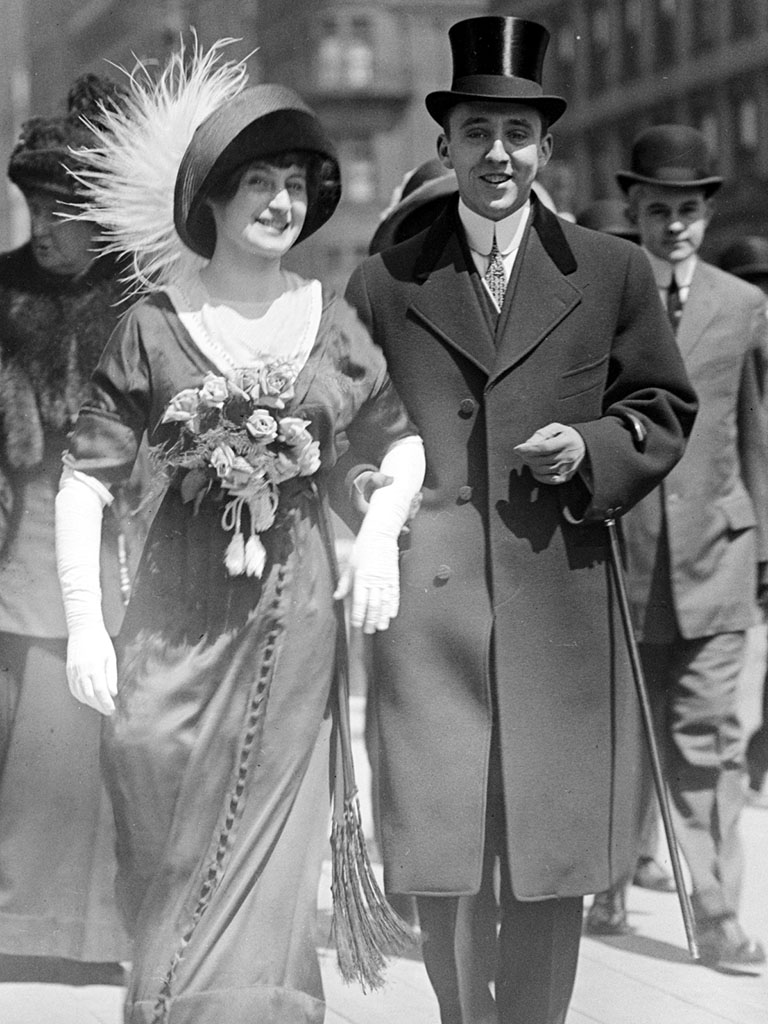
The city’s growth and social classes shaped clothing styles. Wealthy Vancouverites frequented boutiques and commissioned tailored suits or dresses, while workers bought simpler clothes from local tailors or made them themselves. Ateliers, located on central streets near fabric and accessory shops, became hubs for discussing fashion trends and exchanging advice. Every garment was handmade with meticulous stitching and fabrics chosen for Vancouver’s climate. Wool coats were made from Canadian wool, and dresses were crafted from imported materials for style and comfort in daily life.
Local Designers and Tailoring Traditions
Local tailors and designers played a pivotal role in shaping Vancouver’s fashion scene. Paul Miniciello became known for bespoke men’s suits that fit clients perfectly. His atelier attracted not only Vancouver residents but also visitors from surrounding areas. Every suit was tailored precisely, considering body shape, shirt style, and even shoe preferences.
Lore Maria Wiener created women’s wear, including coats, dresses, and evening attire. She worked with high-quality European fabrics, and local seamstresses executed every detail according to her designs. Wiener supervised each seam, lining, and decorative element. Clients could choose styles, colors, and materials, and the atelier transformed ideas into finished garments.
Tailors combined European cutting techniques with local materials, creating clothing suitable for the city’s climate. Ateliers also became creative and social centers, where people discussed trends, exchanged tips on fabrics and cuts, and set early local fashion trends. Each suit or dress told a story about its owner, their lifestyle, and social standing.
Contemporary Fashion
Vancouver’s contemporary fashion scene is thriving, attracting attention from both locals and international designers. Vancouver Fashion Week takes place twice a year, showcasing young designers from Canada, the USA, Europe, and Asia. Collections primarily feature suits, dresses, outerwear, and accessories. Designers experiment with fabrics, textures, and colors. Shows are held in modern venues with professional lighting, music, and video installations, drawing Vancouverites and visitors eager to spot new trends first.
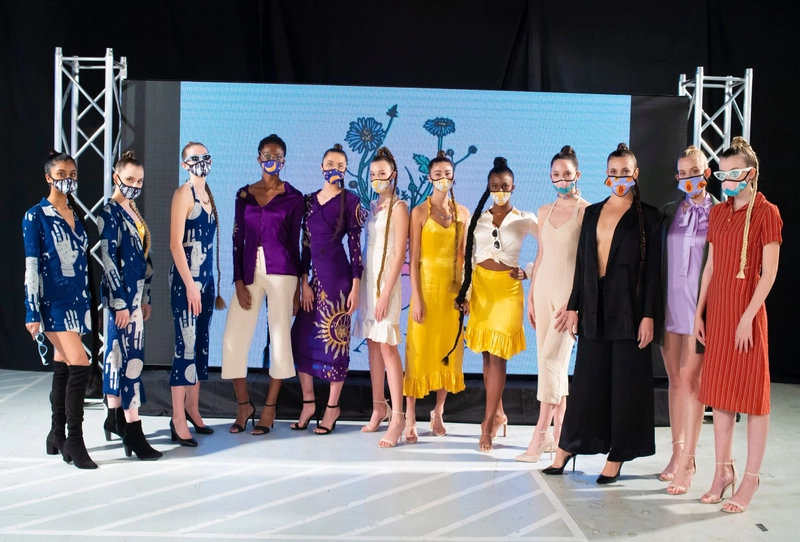
Local markets and showcases, such as Portobello West, support small brands and artisans. Handmade clothing, bags, shoes, jewelry, and textiles are sold here. Young designers can display collections, connect with clients, and gain first-hand sales experience. Vancouverites actively shop at these markets, seeking unique items unavailable in chain stores. These events have become a vital part of the city’s creative life.
Globalization has significantly influenced fashion style and marketing. Designers leverage social media, online stores, and international logistics. Collections reflect global trends while remaining practical for the local climate. Vancouver studios often serve both local and international audiences. Brands participate in international competitions and exhibitions, giving Vancouverites access to global trends from anywhere in the world.
Indigenous Fashion
Indigenous designers hold an important place in Vancouver’s fashion scene. Dorothy Grant stands out as a renowned designer incorporating cultural motifs. She creates dresses, coats, and accessories that blend traditional patterns and colors with modern styles. High-quality fabrics, linings, and decorative details make her clothing both stylish and comfortable for everyday wear.
Other Indigenous artisans experiment with fabrics, embroidery techniques, and silhouettes. Their collections reflect cultural heritage while being designed for modern life: suitable for daily wear, office, or special occasions. Indigenous fashion has become a symbol of Vancouver, producing unique styles found nowhere else.
Eco-Fashion and Tech Brands
Sustainable fashion is gaining popularity among Vancouver designers and residents. Brands work with recycled materials, organic fabrics, and safe dyes. Many ateliers implement eco-initiatives: reusing fabric scraps, repurposing materials, and using biodegradable or reusable packaging. Vancouverites can enjoy clothing made with environmental responsibility in mind.
Veilance, one of the city’s most notable brands, combines functionality, technical fabrics, and minimalist design. Coats, jackets, and outerwear are made from waterproof materials, often incorporating recycled fibers. Each item undergoes strict quality control, ensuring suitability for both city life and outdoor activities. Vancouverites value such brands for practicality, durability, and modern style.
However, Vancouver’s design studios face challenges. Supporting small brands depends on funding, exhibitions, and marketing opportunities. Emerging designers seek ways to promote their clothing through markets, showcases, and online platforms. Meanwhile, tech-driven brands have growth potential, experimenting with fabrics, cuts, and functionality while maintaining an eco-conscious approach.