

If you want to know how people in Vancouver dressed a century ago and how clothing was made here, this story might interest you. Below you’ll find tales of tailors working in small shops, the fabrics they picked, and the garments people actually wore. You’ll see how fashion trends from Europe slowly reached Vancouver, how men’s and women’s clothing evolved — and how folks combined practicality with style. Read more on vancouveranka.
Beginnings of the Tailoring Trade
In the late 19th century Vancouver started seeing its first tailors — immigrants from around the world who brought their craft with them. Many came from Europe, especially Germany and Great Britain, and others from China. Locals often ordered suits and coats from them, while Chinese tailors made lightweight shirts and traditional silk garments for wealthier clients. German tailors brought their own cutting and sewing techniques, British ones favoured tailored shapes and precise seams, and Chinese tailors added decorative details and embroidery.

Clothing was mostly made to order. Customers came with their measurements, and tailors crafted suits, overcoats or dresses to fit exactly. Mass production barely existed then, so every piece was unique. Even in small shops tailors spent a lot of time on fittings and details — from pockets to linings.
Fabrics were varied. Everyday clothes used wool, linen and cotton. Wool formed the basis for coats and suits, cotton for shirts and skirts, linen for summer garments. Silk and other expensive materials were reserved for affluent patrons. Sometimes fabrics arrived directly from Europe, shipped by sea or railway. Tailors managed to blend practicality and elegance, making clothes both comfortable and stylish.
Fashion and Technology
At the start of the 20th century, Vancouver’s clothing started to reflect European fashion trends. Men wore suits with vests and high‑collared shirts, and overcoats were crafted from heavy wool. Women initially wore corsets and wide skirts, but over time dresses became more practical — especially for work and everyday life. In tailor ateliers they often stitched simpler everyday models so women could move freely, but formal evening wear kept intricate silhouettes.
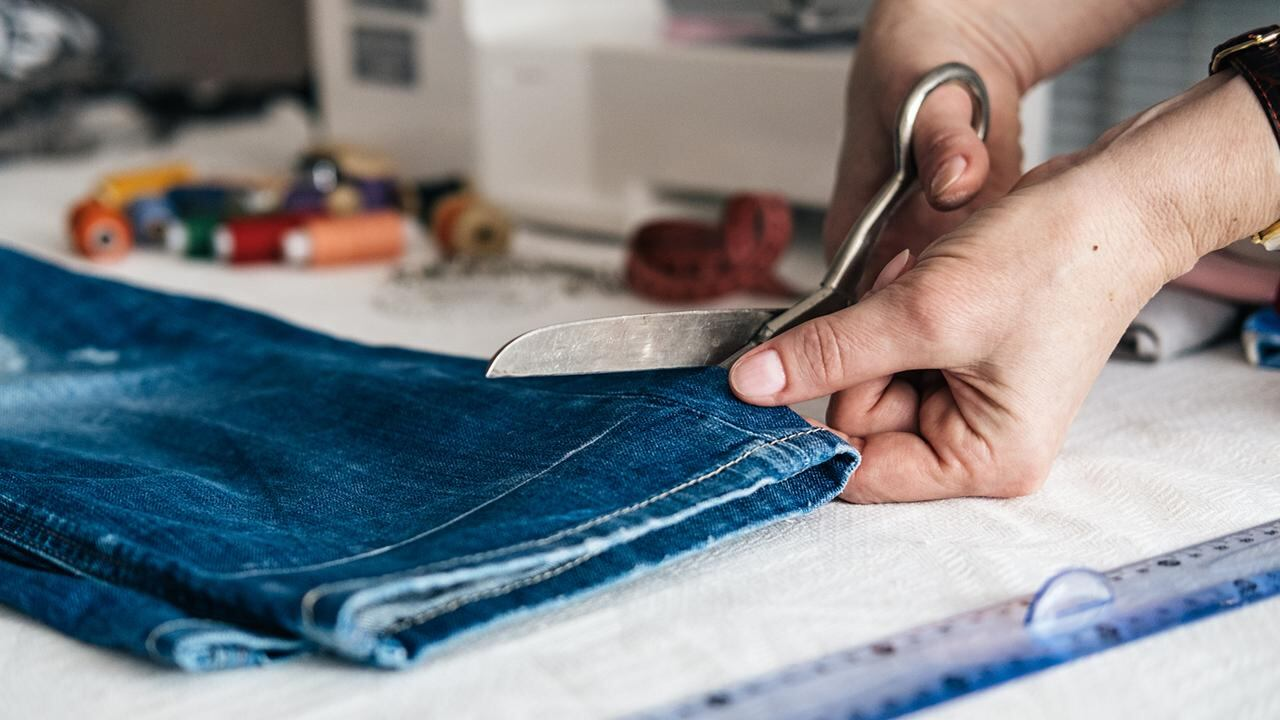
Tailors used different tools. Many used foot‑pedal sewing machines, while embroidery and fine details were done by hand. Some ateliers adopted industrial sewing machines, but progress was slow: precision handwork remained highly valued.
Craftsmanship was visible in the details. Each seam was neat and precise; linings were chosen so garments fit perfectly; decorative elements such as embroidery or buttons were done with care. Skills passed from master to apprentice in workshops, often within families — some tailoring houses worked for several generations. Every suit or dress was made considering both client’s taste and practicality, so even everyday clothes looked neat and elegant.
Local Market Features
Most tailoring shops were small, often family‑run businesses. In such shops parents, children and sometimes relatives or close friends all worked. Someone handled pattern‑making, another used the sewing machine, while others did hand‑sewing, attaching buttons or embroidering. Even small ateliers made a wide range of clothing — suits and coats, dresses, shirts, rain‑coats, and children’s outerwear.
Clothing was made with the local climate in mind. Because Vancouver is often wet and chilly, overcoats were made from heavy wool, often lined for warmth; jackets were sometimes treated with waterproof fabrics. Hats, scarves, gloves and cloaks were made to order so clients could stay dry and warm, yet look presentable.
Clients were mostly local residents who came with their measurements and preferences. Some wealthy immigrants ordered garments in European styles. They brought expensive fabrics from England, France or Germany. For those orders tailors often scheduled multiple fittings to ensure perfect fit. For special occasions there were tailors who specialized in elaborate cuts, embroidery and decorative details.
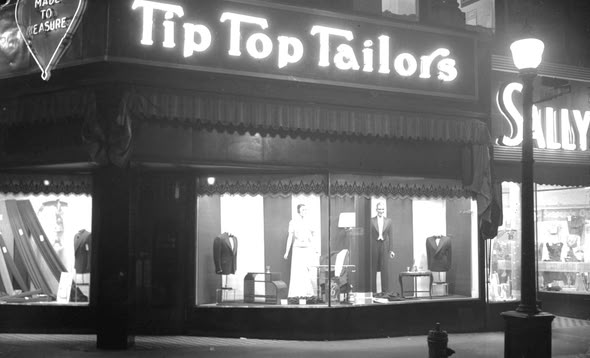
Shops worked every day, but orders piled up. People were used to waiting weeks, sometimes a month, for a suit — everything was done with great care. Tailors themselves continued learning new techniques, sharing skills with colleagues, and following fashion trends from Europe and the United States.
Development Over Time
Between 1910 and 1930, ready‑made clothing started to gain popularity in Vancouver. Shops began selling off‑the‑rack coats, suits and dresses, and some locals switched to buying ready-made instead of ordering custom clothes. Yet tailoring didn’t vanish. Often a hybrid approach emerged: customers would pick a ready‑made cut and size, but ask for custom fabric or decorative touches. This gave people faster access to clothes, while keeping a personal touch in design.
After World War II, ready‑made suits and coats became widely available. Still, tailoring shops remained popular among wealthier clients. They ordered bespoke garments with complex linings, extra pockets, decorative buttons, embroidery or contrasting details. In such ateliers clothing became not just practical items — but real works of craftsmanship, meant for special occasions.
Between the 1960s and 1980s Vancouver grew increasingly cosmopolitan. Fashion influences from the U.S. and Britain reached the city faster. People wanted clothes that were not only stylish but comfortable for work, walks or leisure time. That’s when tailors began making functional suits, practical dresses and outerwear designed to resist rain and wind. At the same time older master tailors trained younger generation — passing down sewing traditions and adapting techniques to new materials and fabrics.
Cultural and Social Impact
Tailors played a significant role in people’s everyday life and in how they were perceived. Clothes were practical, but also a sign of social status. Wealthy clients came looking for suits made of high‑quality wool or silk; workers ordered sturdy coats or jackets that could resist cold — clothes that were as utilitarian as they were respectable.
Many tailoring ateliers maintained links with professional associations, where masters shared skills and upheld high standards of craftsmanship. Sometimes they organized exhibitions where suits, coats and dresses reflected latest trends. Tailoring was open to women too — often women or girls from families helped sewing women’s clothes or children’s garments. That allowed them to earn money and gain professional skills. In some cases women later even opened their own small studios.
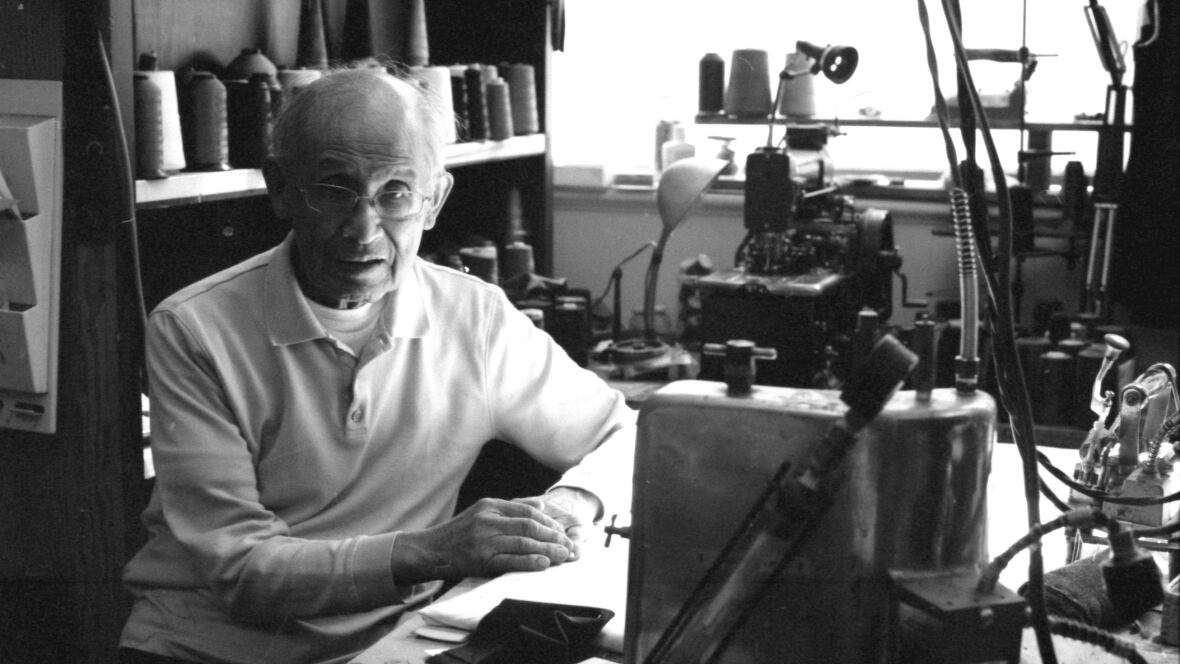
Without a doubt, tailors were part of the social fabric of Vancouver. They knew their clients personally, tracked fashion trends, introduced new techniques and fabrics. Because of them clothing wasn’t just a thing — it was a reflection of taste, status and even lifestyle.
Sources: