

Vancouver’s fashion history is rich and diverse, reflecting a unique blend of European traditions, Indigenous influences, and harsh climatic conditions. From the first colonists who brought with them elements of French and English style to the shaping of modern Canadian attire, clothing in Vancouver evolved alongside society and culture. In this context, it’s essential to examine how garments, particularly the capot (coat), felt hats, and locally inspired accessories, became not only practical necessities for protection against the weather but also symbols of national identity. Read more on vancouveranka.
The Influence of European Fashion on Vancouver’s Colonial Style
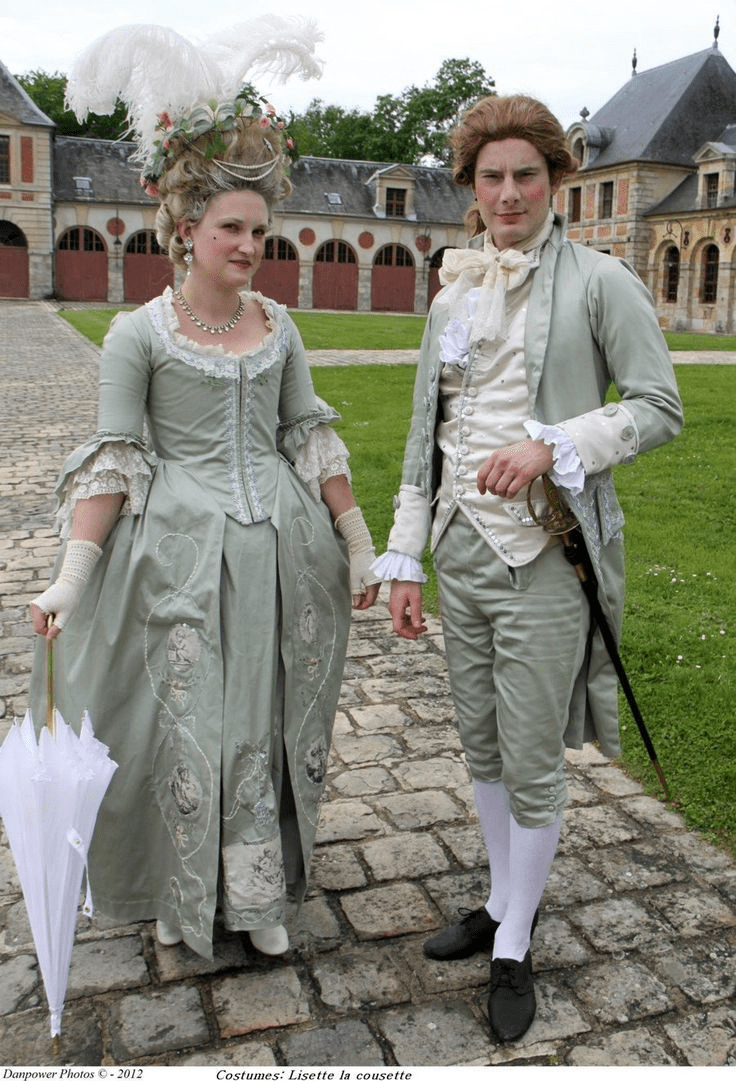
When the colonization of Canada began in the 17th century, the first settlers from France had limited access to new materials for clothing production. Initially, they wore what they brought with them, as new clothing was expensive and local manufacturing was just starting. Fabrics and finished goods were primarily imported, and weaving only began to develop in the early 18th century. By the end of the 17th century, fashionable footwear and hats were being produced in Canada. With the growth of cities and increasing prosperity, local elites began following the fashion trends prevalent in France. However, due to limited connection with Europe, new styles arrived in Vancouver with a delay, sometimes as long as a year. Men wore wigs, lavish fabrics, and lace embellishments, as seen in the portraits of Jean Talon, the first Intendant of New France, where he is depicted in an elegant jacket with a wig and a lace cravat. In a 1703 painting, Mademoiselle Riverin, the wife of a high-ranking Quebec official, poses in a stylish mantua gown, while her children, according to the customs of the time, wore miniature versions of adult outfits.
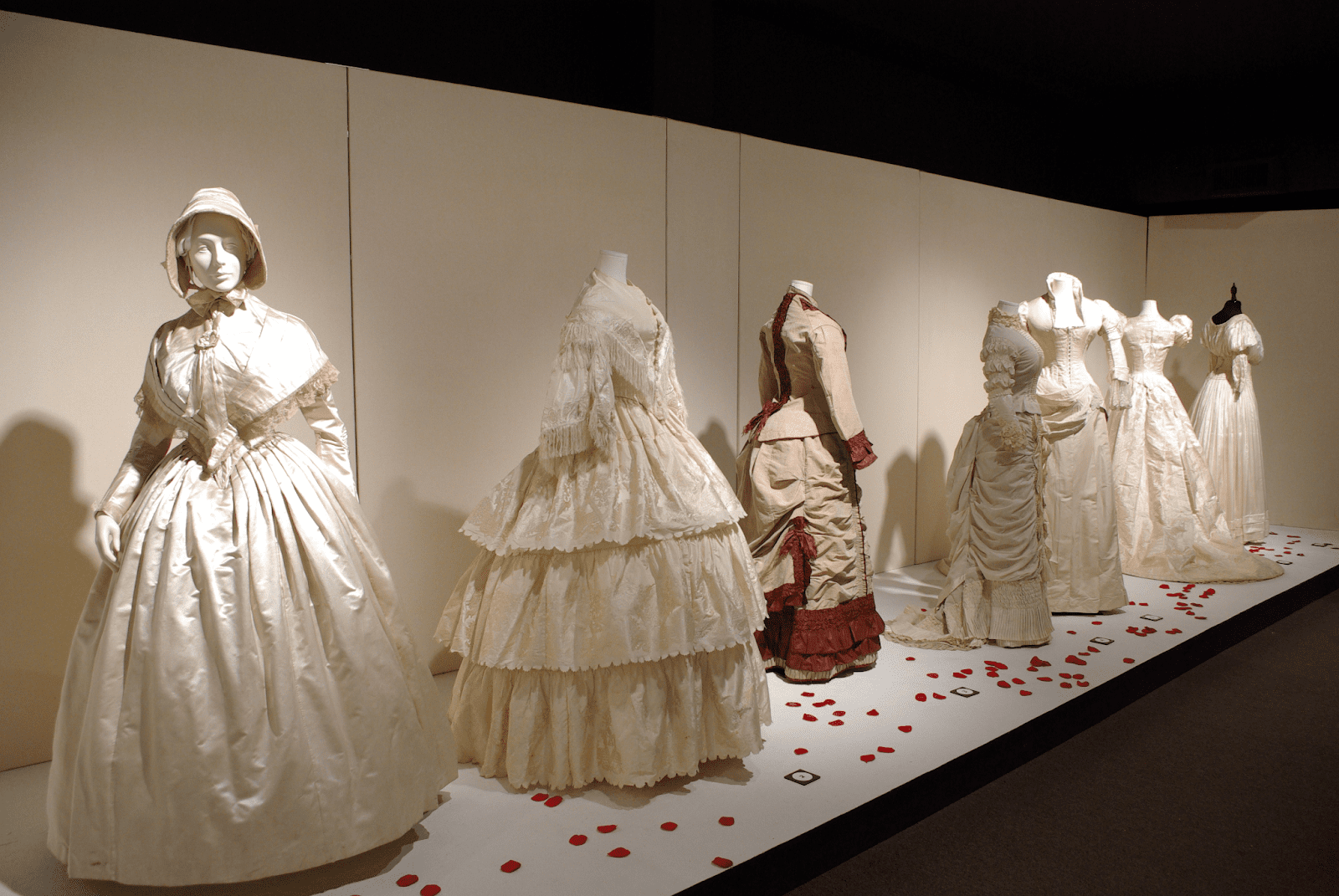
In the late 18th century, following the creation of Upper Canada in 1791, the ruling class attempted to maintain refined standards of dress, though with greater moderation compared to the styles of Paris at the time. Fashionable styles became increasingly accessible due to better communication with Europe, which reduced the time delay for new trends reaching Vancouver to just a few months. In 1831, the Montreal Monthly Magazine published the first Canadian fashion plates, reflecting the latest European trends. This marked the beginning of a new phase in Vancouver’s fashion development, with the significantly faster transmission of information making new style trends much more accessible to Canadians.
In the early years of Canadian colonization, most settlers made their clothing at home, using fabric they spun and wove themselves or produced by local artisans. Clothing was simple and practical, and the style generally reflected French rural or later English traditions. By the mid-19th century, with the advent of ready-to-wear clothing, fashion became more accessible to a larger portion of the population. However, the working class still produced most of their clothing at home.
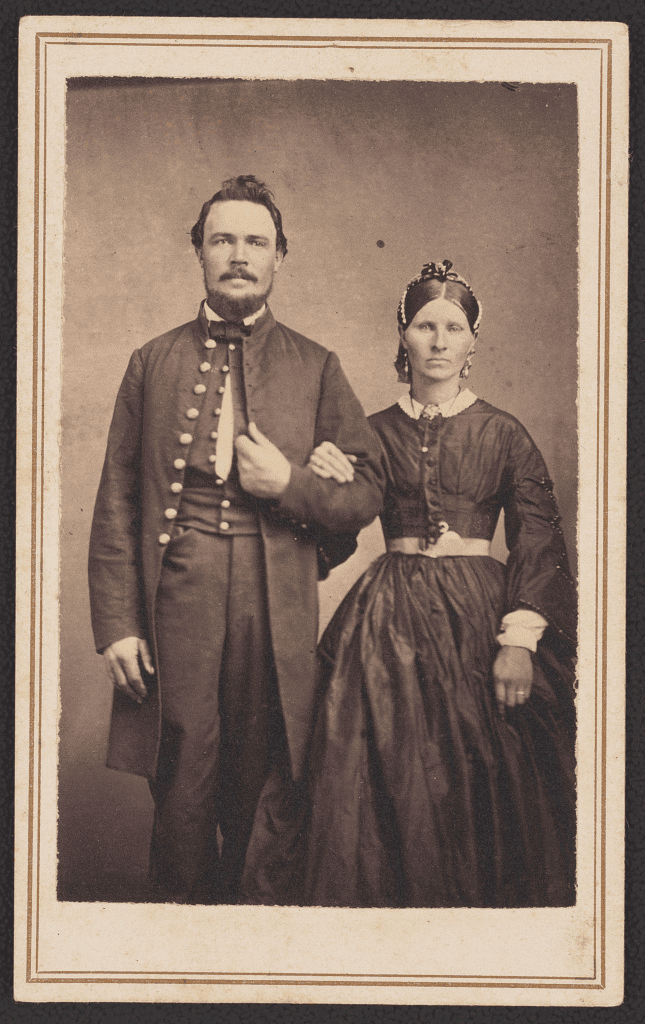
Only a small number of such items have been preserved to this day, as worn-out clothing was often repurposed into quilts or rugs. A significant step in popularizing fashion was the introduction of the first mail-order catalogue, which made the newest styles accessible even to remote rural areas. This greatly reduced the gap between old-fashioned rural clothing and the latest fashion trends.
Men’s Attire in Colonial Vancouver
In the 17th and 18th centuries, men’s clothing in the colonies often resembled what was worn in France itself but was significantly simpler and more practical. For ordinary working men, mostly involved in agriculture, clothing was primarily utilitarian and functional. In the 19th century, clothing evolved, but traditional elements such as breeches (later replaced by trousers) and waist-length jackets were retained. Starting in the early 19th century, imported English fabrics increasingly replaced home production in Vancouver. However, even under the influence of European trends, clothing remained adapted to local conditions and needs.
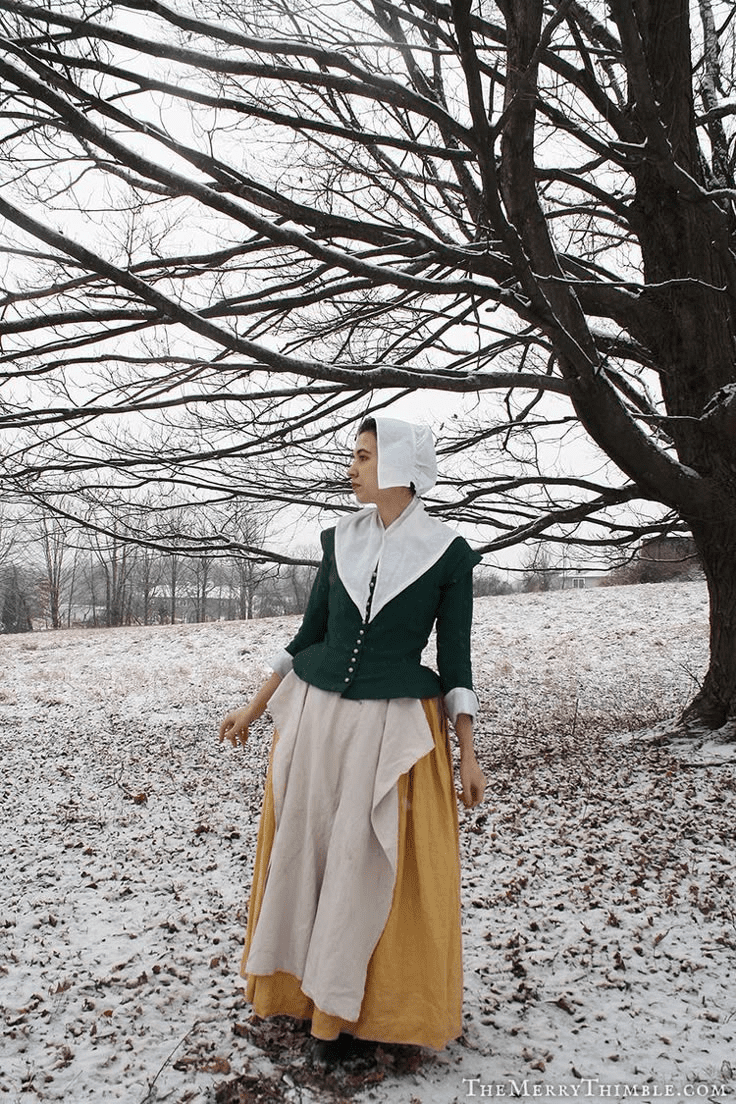
Traditional clothing elements influenced by Indigenous Peoples also sparked interest. For example, moccasins and leather leggings were essential for residents involved in the fur trade or living in rural areas. These practical items became an important part of the clothing worn by anyone operating in the challenging natural environment.
The Capot and Canadian Accessories
One cannot forget the high-crowned felt hats adorned with ostrich feathers, worn by voyageurs in the early 19th century. Their style was complemented by the ceinture fléchée—coloured wool sashes featuring arrow-shaped motifs. These traditional French-Canadian accessories continued to be hand-woven until the end of the century, demonstrating a deep cultural connection to local Indigenous traditions.
Vancouver fashion, much like the country’s culture itself, developed under the influence of harsh climatic conditions and a rich history. The capot, initially popular among rural Canadians, became a symbol of national identity. Over time, it underwent changes: from a simple, heavy piece of outerwear necessary for winter, the capot adapted to fashion demands, acquiring new stylistic features such as buttons, epaulets, and various colour combinations. The history of the capot doesn’t end with rural attire. By the mid-19th century, it became popular among the bourgeoisie and found its place in winter sports and leisure. Today, the capot, notably the “Hudson’s Bay coat,” remains an important element of Vancouver’s and Canadian style in general, seamlessly blending tradition with contemporary trends.
The Fashion of Early Vancouver Women
Women in colonial Vancouver, as in other parts of the world, initially wore clothing that combined European traditions and local characteristics. Corseted bodices, chemises, and aprons were the main elements of women’s clothing until the late 18th century. Hand-woven fabrics reflected not only simplicity and practicality but also the elegance of the time.
With the development of weaving and the emergence of new textile materials, women’s clothing underwent changes, becoming more stylish and luxurious. At the same time, it remained practical and adapted to the challenging living conditions. Elegant dresses, similar to those worn by the Robinson sisters in the painting “The Three Robinson Sisters” (1846), are a vivid example of how colonial clothing combined elements of European fashion and local traditions. Today, these historical styles are preserved and reflected in contemporary Vancouver trends that combine comfort, elegance, and historical heritage.
Vancouver Fashion in the 20th Century
As the 20th century approached, the primary direction of Vancouver’s fashion development was a gradual shift from individual dressmakers to large department stores. However, for affluent customers, especially after the Second World War, haute couture dressmakers continued to meet the demands of the elite clientele, focusing on the aesthetics of French high fashion salons. This luxurious business did not vanish but eventually transformed into a reduced form, continuing to provide unique services for the privileged. It wasn’t until the mid-20th century that a distinct Canadian design began to develop, when local manufacturing enterprises started engaging their own talented designers.
Today, the history of Vancouver fashion is preserved in the city’s museums, which house unique collections reflecting the stages of development and the influences on Vancouverites’ clothing from pioneer times to the present day.
- https://cdnhistorybits.wordpress.com/2015/01/14/fashion-in-new-france-1700-1750/
- https://www.seattletimes.com/life/fashion/browse-womens-clothing-through-the-years-at-the-museum-of-vancouver/
- https://vancouversun.com/news/vintage-fashions-part-of-the-fabric-of-citys-history
- https://jacbyjc.com/blogs/jac-news/vancouver-a-fashion-journey?srsltid=AfmBOorVuzpeTuwPhbd4m8L_Kz3qtp7LJY81vHCPMQJ4dSlHWgXLdpam