

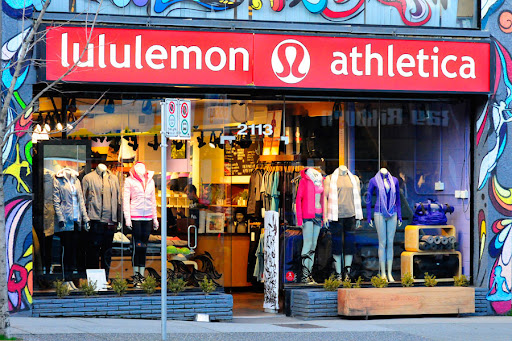
The brand Lululemon Athletica Inc., more commonly known as lululemon (stylized in lowercase), is a Canadian-American global athletic apparel retailer with its headquarters in British Columbia. Incorporated in Delaware, USA, the company started in 1998 exclusively as a yoga wear brand. Over time, it expanded its product range significantly, now offering a wide variety of athletic gear, stylish casual wear, accessories, and personal care products. As of January 2024, the retail network includes 711 stores, complemented by a robust online presence. Learn more on vancouveranka.
Gear Up: The Brand’s Unique Edge and Product Lineup
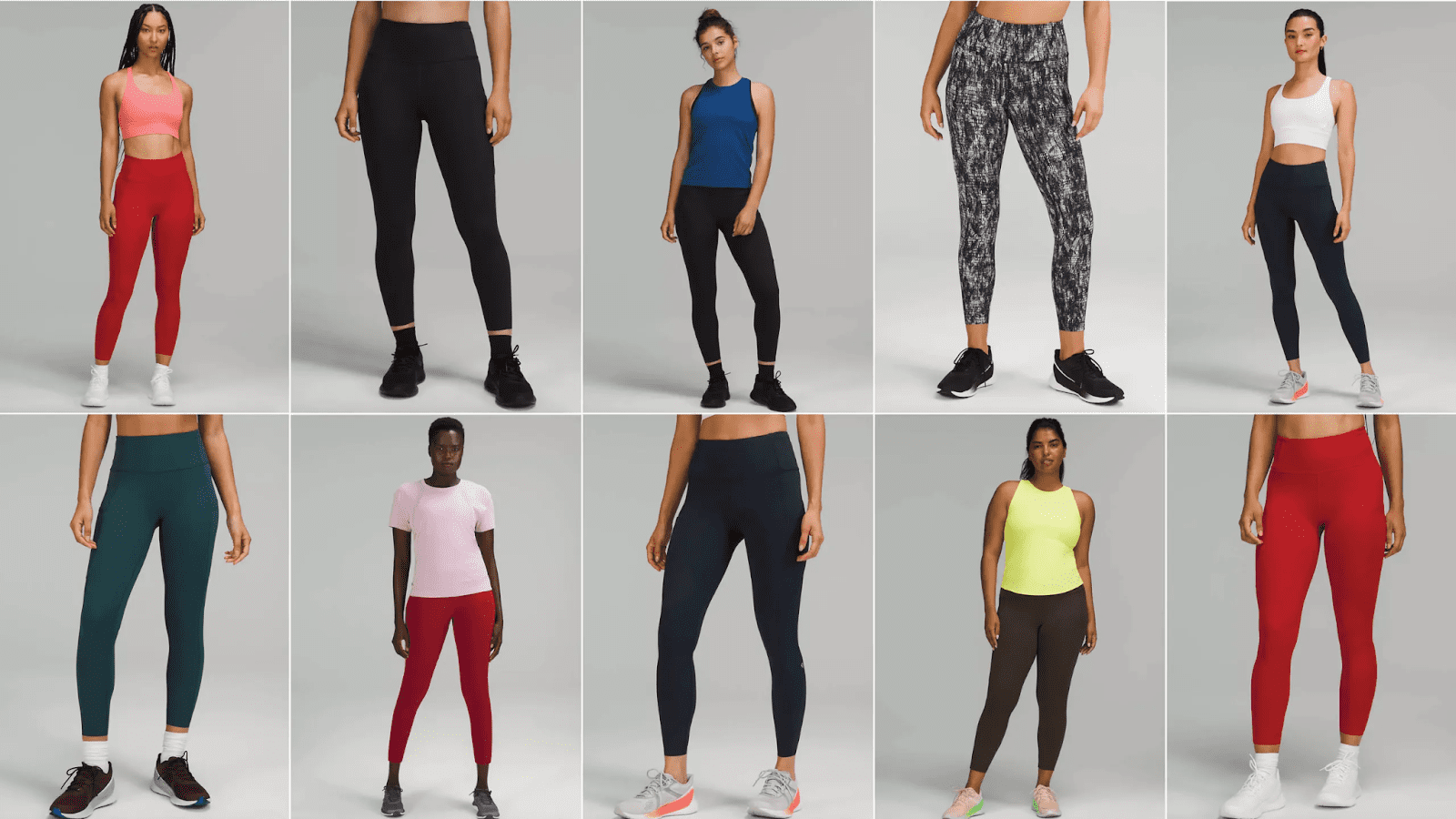
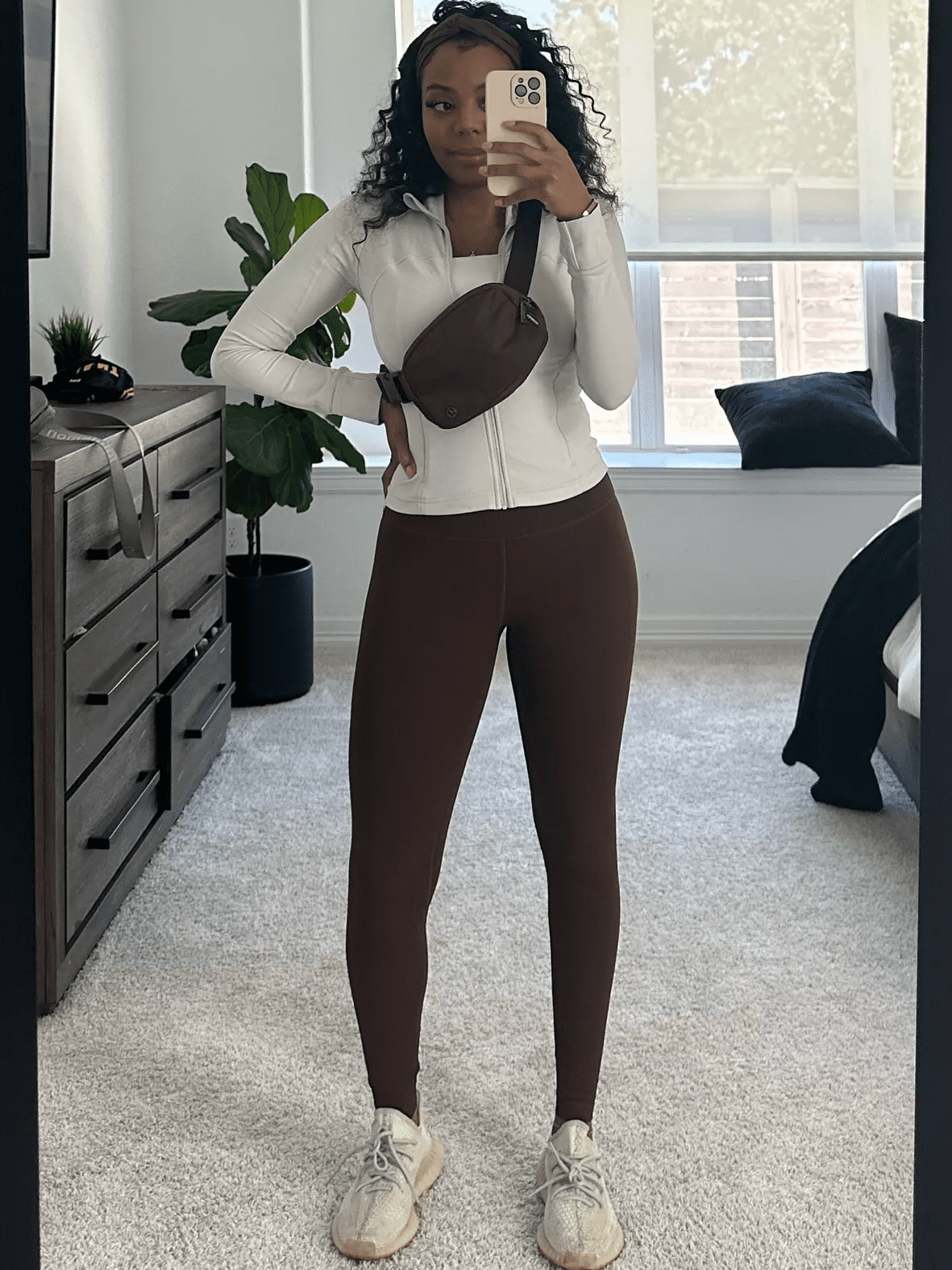
Lululemon offers a diverse wardrobe for the active lifestyle, ranging from T-shirts, jackets, and hoodies to joggers, sneakers, underwear, and, of course, their iconic yoga leggings. The brand’s most recognizable and popular lines include the High Rise Align Fit Mini Flare leggings, Dance Studio pants, Hottie Hot shorts, Scuba hoodie, and the Define sports jacket. Lululemon also designs a wide array of accessories, such as gloves, hats, footwear, bags, yoga mats, and water bottles. A key element of its success lies in its commitment to innovation: the brand has developed and patented several unique, proprietary materials like Luon, Luxtreme, Nulu, Nulux, Everlux, and more. Each fabric is engineered to meet specific needs, focusing on features like compression, comfort, or moisture-wicking performance.
To stay ahead in the highly competitive athletic apparel market and continuously develop new product lines, Lululemon maintains the Whitespace R&D lab at its head office. This cutting-edge facility employs approximately 50 specialists, including scientists and physiologists, who are dedicated to research and product development. In 2019, the company introduced a premium streetwear label called Lab, which is available in select flagship stores. That same year, Lululemon announced an ambitious plan to double its men’s wear business within the next five years, moving beyond its core women’s activewear and accessories to take on major competitors like Nike and Under Armour. The brand further expanded its offerings in March 2022 by introducing a line of footwear. The initial collection featured models specifically designed to fit the anatomy of a woman’s foot, and the company has since launched men’s shoe styles. Currently, two men’s styles are available.
The Story Behind the Name and Launch
Lululemon was founded by Chip Wilson in Vancouver in 1998, with the first standalone store opening in November 2000. Wilson became interested in yoga in 1997 and conceived the idea of creating women’s athletic apparel for the practice, using a specially engineered stretch fabric that would flatter the figure. He deliberately chose a name with multiple “L” letters to sound more Western to Japanese consumers, who often find the letter difficult to pronounce, stating the name itself had no particular meaning. He recalled that the reason his previous skateboard brand, Homeless, was popular in Japan was precisely because it contained the letter “L.” Japanese marketing firms rarely create brands with this letter, as it’s absent from their alphabet and tricky to pronounce. Chip thought the next company he founded would have three “L”s to look even more exotic to them. He experimented with the letter and eventually came up with the name Lululemon.
Lululemon’s Growth Trajectory
The company went public in July 2007, raising $327.6 million by selling 18.2 million shares. In 2008, Christine Day, a former co-president of Starbucks, took over as Lululemon’s CEO. In December 2010, the company recalled some of its reusable polypropylene shopping bags due to reports of high lead content. Soon after, Lululemon filed a lawsuit against Calvin Klein and its supplier, G-III Apparel Group, for infringing on three design patents for its yoga pants—a case that was settled out of court later that year. In 2013, Lululemon was named to Fortune’s list of fastest-growing companies for the third consecutive time. That December, founder Chip Wilson announced his resignation as chairman of the board, and Laurent Potdevin, the former president of TOMS Shoes, became the new CEO. In 2018, the reins of the company were passed to Calvin McDonald.
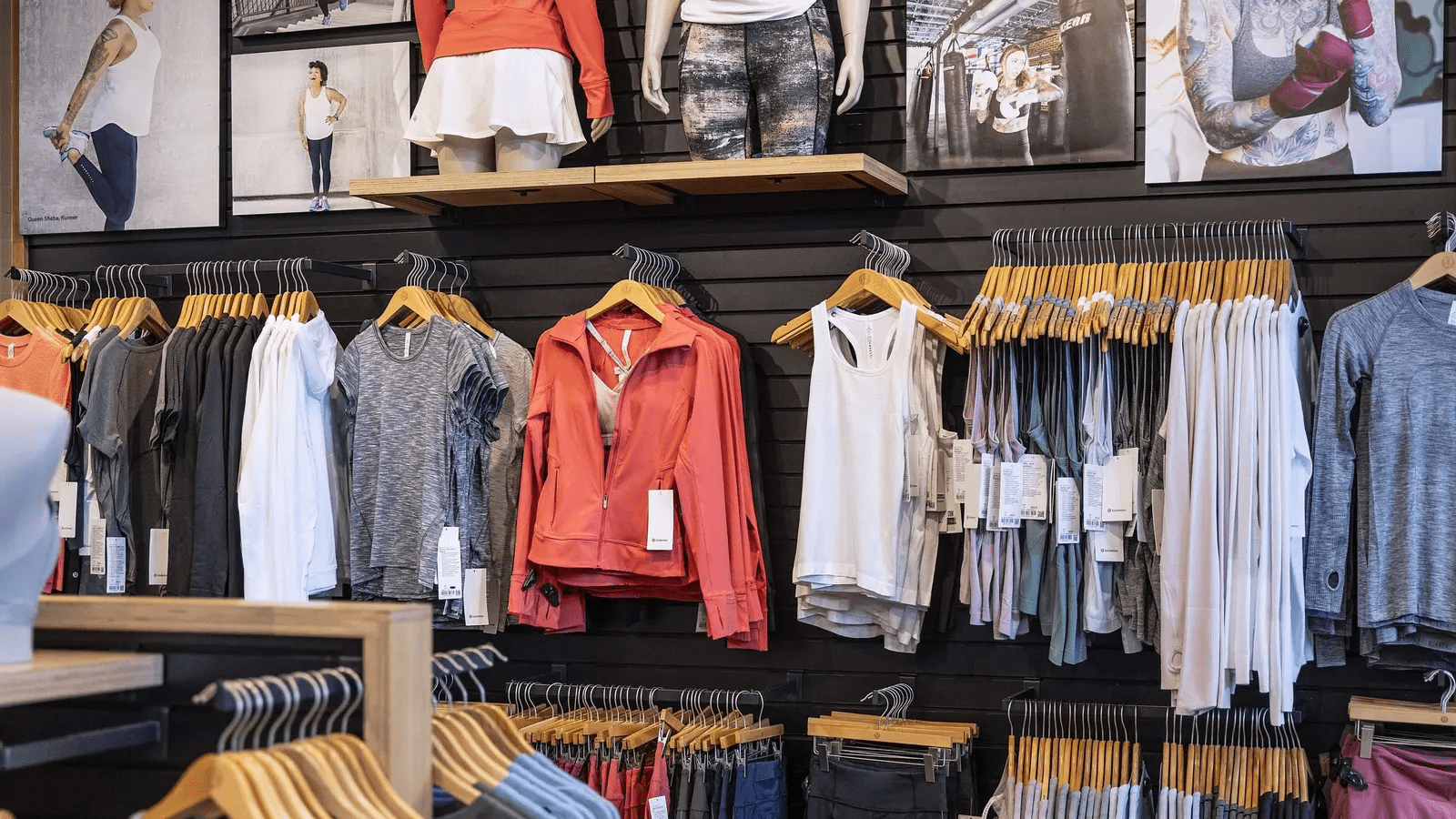
Lululemon opened its first European store in 2014—a flagship location in London’s Covent Garden. In February 2015, Wilson announced his departure from the board of directors altogether, with former board executive Michael Casey succeeding him. In 2018, CEO Laurent Potdevin stepped down due to unacceptable conduct related to his relationship with a former employee who later became a contractor. The company soon faced criticism from some customers regarding the quality of its clothing, specifically noting fabric transparency, tears, and rapid wear and tear. Lululemon subsequently pulled all black yoga pants from sale after they were found to be too thin and see-through. Since these pants accounted for about 17% of all women’s pants, this move resulted in significant financial losses and damaged the company’s reputation. This quality control failure ultimately led to the resignations of Chief Product Officer Sheree Waterson and CEO Christine Day.
Expansion, Investments, and Marketing Prowess
From its founding until 2015, Lululemon integrated the principles of the Landmark Forum into its leadership development and training programs. The company reports that approximately 70% of its managers are promoted from within. Store managers are given full autonomy over store layout, colour palette, and engaging with their local community.
In 2019, the company announced an investment in MIRROR, a home fitness startup that sells interactive fitness mirrors for at-home workouts. Capitalizing on the surge in demand for virtual home workouts during the COVID-19 pandemic, Lululemon acquired MIRROR on June 29, 2020, for $500 million, rebranding it as lululemon Studio. The companies planned to create new content for the devices, starting with meditation courses. Following this deal, Lululemon recorded a non-cash goodwill impairment charge of $442.7 million at the end of fiscal year 2022. In 2024, the company agreed to purchase the operations and stores of its franchise partner in Mexico.
Initially known for its women’s yoga wear, Lululemon significantly broadened its audience by 2019, successfully appealing to men and adapting its products and marketing to suit their needs. The company now plans to further increase brand awareness among its male demographic. Notably, Lululemon employs what it calls “holistic grassroots marketing,” fostering a sense that customers who wear the brand are part of a large, supportive community. The company actively promotes itself through social media platforms like Facebook, Twitter, and Instagram. In a nod to its core audience, Lululemon offers fitness instructors a 25% discount on purchases.
Lululemon sponsors a number of top athletes, including Jordan Clarkson, Cody Rigsby, Min Woo Lee, Tara Davis-Woodhall, Hunter Woodhall, Nikki Hiltz, Colleen Quigley, Damian Warner, Mirna Valerio, and Samantha Gash. Furthermore, Lululemon is the official outfitter for Team Canada at the 2024 Olympic and Paralympic Games in Paris.